Every travel guide to Dhofar covers the same five places. Ayn Razat. Wadi Darbat. Mughsail. The Al Baleed museum. Jabal Ittin. These are real destinations and they're worth seeing. But they're also the places where you'll find other rental cars parked ahead of you, tour buses pulling in behind you, and a viewpoint signed in four languages.
This guide is about the other list. The places that work precisely because they haven't made the standard itinerary. You need a 4x4 for some of them. For all of them you need to be comfortable with uncertainty — these routes don't have information boards, the tracks are not always obvious, and the reward is proportional to the effort.
None of these routes should be driven solo in an unfamiliar car. Go with at least two vehicles on any off-road track, tell someone your planned route and expected return time before you leave Salalah, and check the Oman Meteorology forecast before any mountain or wadi drive. Flash floods in Dhofar can arrive with no warning from storms you never saw.
The Khor Rori Backwater Loop
Everyone visits Sumhuram — the ruins above the Khor Rori lagoon — from the main road entrance. Almost nobody drives the back side. A graded track runs around the southern edge of the lagoon before climbing a low ridge with a view that puts the sea, the ruins, and the inlet all in the same frame simultaneously. The track is passable in a high-clearance 2WD in dry conditions, but after any rain it needs four-wheel drive.
The viewpoint is unmarked. You'll know it when you're on the ridge and the angle changes. Allow 20 minutes from the main Sumhuram car park, and go early before the light moves off the water.
The Jabal Qamar Border Road
West of Mughsail the sealed road eventually ends and a graded track continues toward the Yemen border region through Jabal Qamar. The mountains here are starker than the green Dhofar range to the east, the switchbacks are serious, and the views from the upper ridges on a clear day extend hundreds of kilometres. This is not a route for people who are new to off-road driving or for a 2WD under any conditions.
The attraction isn't one specific viewpoint — it's the quality of the drive itself, the absence of other vehicles, and the kind of landscape that makes Dhofar feel genuinely large in a way the standard circuit doesn't.
The Old Frankincense Track, Wadi Andhur
Most visitors who go looking for frankincense trees end up at the main Wadi Dawkah UNESCO site, which is well maintained and well signposted. Wadi Andhur, further east in the Dhofar interior, is the kind of place the ancient resin collectors actually moved through on foot and camel — a dry wadi flanked by Boswellia trees that look like they've been leaning over that same riverbed for centuries. The track into the wadi requires a 4x4 and the ability to read a rough surface well. The payoff is a version of the frankincense landscape that feels entirely unmediated.
Drive east from Salalah on the Mirbat road and ask at our Salalah desk for the current track condition before committing. It varies seasonally.
The Coastal Cliffs Below Jabal Samhan
Jabal Samhan's main viewpoint is a standard stop on most Dhofar itineraries. What isn't standard is the descent track off the eastern edge of the plateau that runs down to a series of coastal cliff faces above the Arabian Sea. The track is steep and loose, needs proper low-range gearing, and ends at a natural rock ledge with a 300-metre drop to the water. No signage. No fencing. No other rental cars.
This is a late-afternoon drive. The angle of the light on the water from the eastern cliff faces changes the whole quality of the view compared to arriving midday.
The Wadi Hinna Baobab Grove
Wadi Hinna is occasionally mentioned in passing in Dhofar literature as a curiosity — a grove of baobab trees that shouldn't be here botanically, ancient specimens that arrived at some point in Oman's trading past and simply stayed. What the references don't convey is the scale of the older trees or the quality of the light inside the grove in the early morning. It is one of the genuinely strange natural things in the region and almost nobody goes there with intention.
Getting there requires an SUV at minimum, a 4x4 preferred. The tracks into the wadi are not obvious and the grove itself requires a short walk from wherever you stop the car. Go early, go slowly, and bring more water than you think you need.
Which Cars Actually Work Off-Road in Dhofar
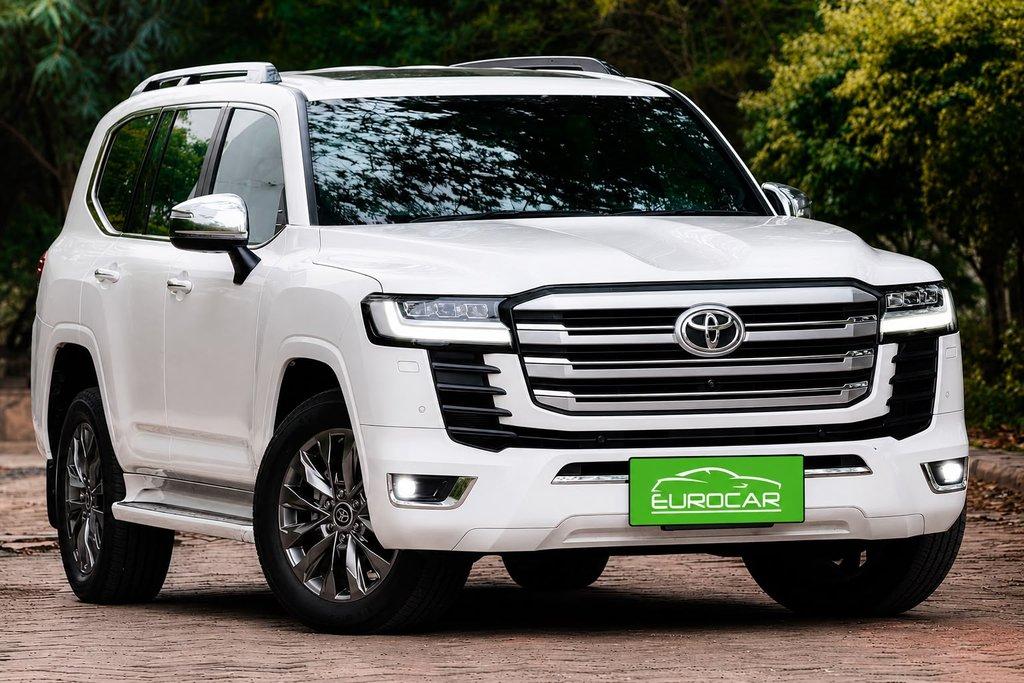
These are not routes where a crossover SUV is "probably fine." The tracks in this guide are rated as 4x4 mandatory for a reason, and that reason is usually gradient, surface type, or both. Here's what to take: